INA · 27 April 1966
A woman skipper at Royan
Report from the eight o'clock television news, filmed in the harbour at Royan.
Watch on ina.frRoyan · Charente-Maritime · Crew list
1926–1999. The first woman in France registered as a professional fisherman (1963). Marine engineer, author — the woman who brought down Colbert's ordinance.
1926 — 2026 · centenary of her birth
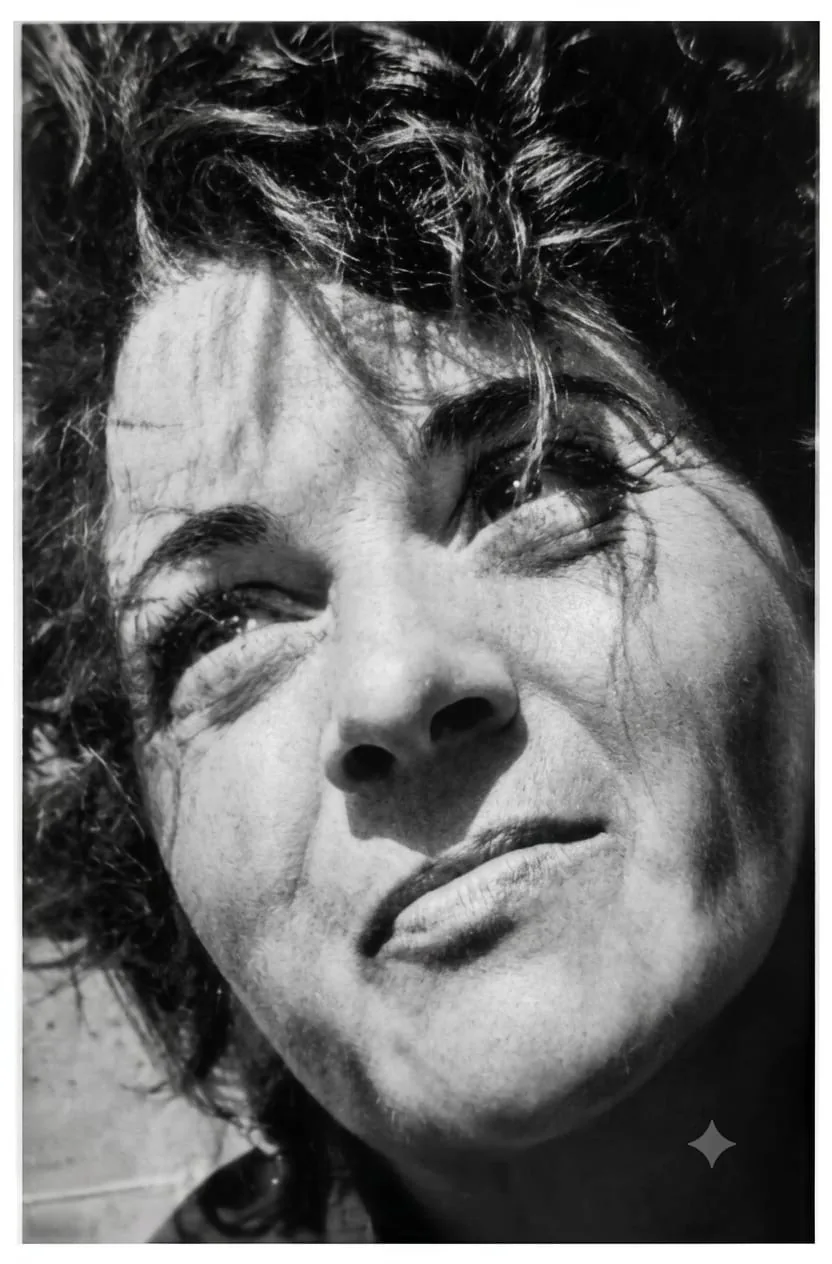
Portrait
Faced with the storms of life, some refuse to complain and choose to act.
This is the story of a woman who found herself alone — truly alone — to fight the hardest battle of all: keeping her family alive.
Starting from nothing, without work and with five children to support, she had to face the reality of a separation and a divorce. Far from being an admission of weakness, that break became the starting point of an uncommon courage. To feed her own, she needed a determination equal to the ordeal.
It was that vital urgency that pushed her to go to sea, to brave the water and its uncertainties. Sailing out for a day's tide was not only a matter of facing the elements: it was the certainty of coming home in the evening with the godaille, the share of the catch that put food on the table. She managed entirely on her own, on the strength of her wrists and of a mother's love.
An exemplary path, written in dignity, hard work and the silent sacrifice of an exceptional mother.
In memory
France, like England, shows a remarkable ingratitude towards those who carry it forward. It is our duty to raise this injustice and to bring the light back onto these hidden stars.
Recognition, like a leaf carried off by the wind,
Sometimes finds no rest in our ungrateful soil,
The story of Sonia de Borodaewsky, like a tear,
A silent pearl, forgotten in the mists of the past.
Her name, a gentle melody, a symphony of daring,
Sonia, married name Delouteau, a woman of astonishing destiny,
A pioneer, the first outline of a womanhood of the sea,
In a world of men, where courage takes endless forms.
But it is our duty to raise this injustice,
To bring the light back onto these hidden stars,
For the greatness of those who light our way,
Cannot be smothered by the shadows of mediocrity.
Sonia de Borodaewsky, a blazing star in the dark,
The first Frenchwoman entered upon the maritime rolls,
Her courage and her gift shone out like lighthouses,
Guiding the generations to come towards unmapped horizons.
Sonia de Borodaewsky, a symbol of womanhood set free,
In a world where every barrier had become a fortress,
Her legacy endures as a testament of hope,
Reminding us all that greatness has neither sex nor borders.
About
After La Houle, by Sonia de Borodaewsky
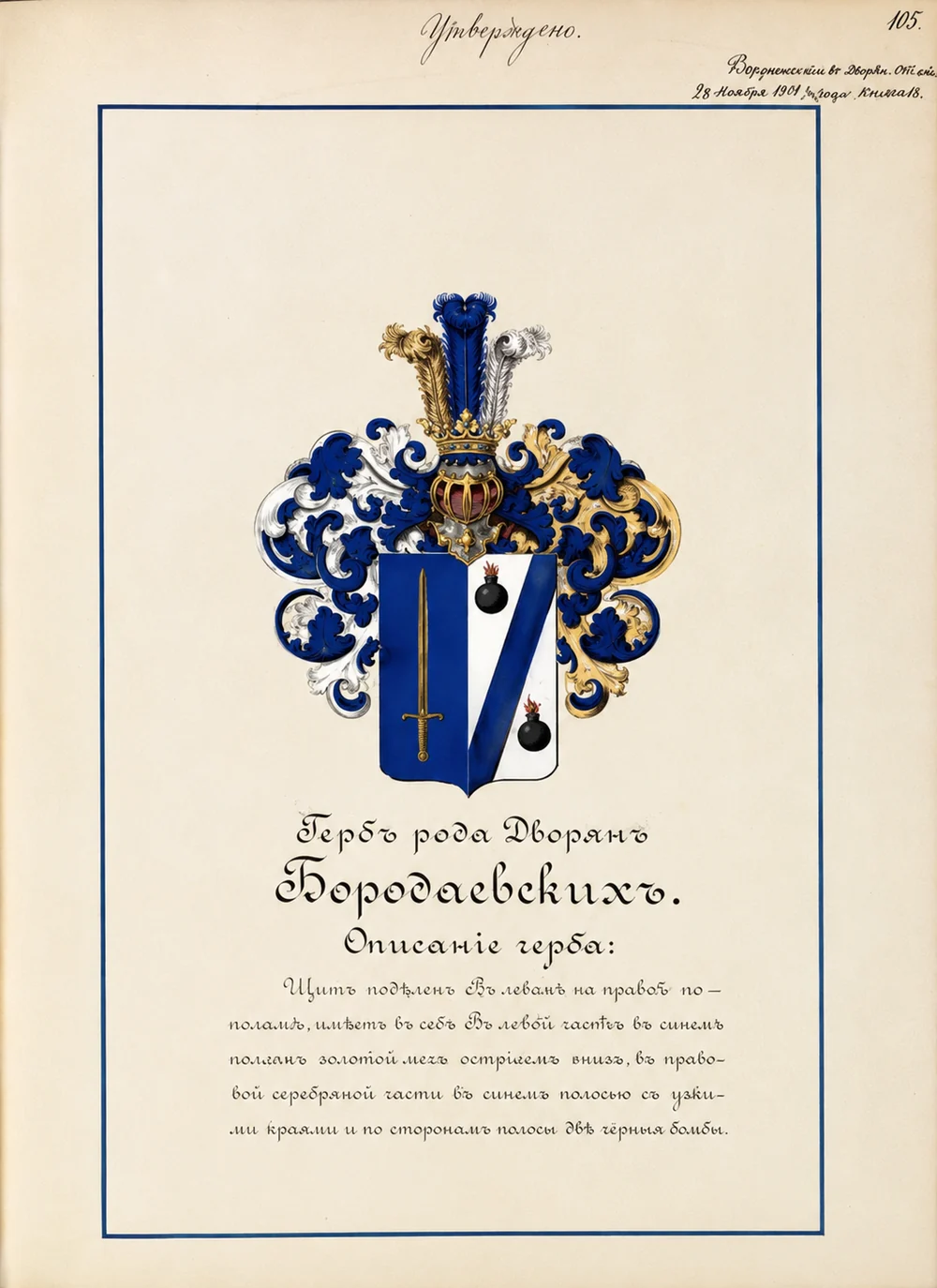
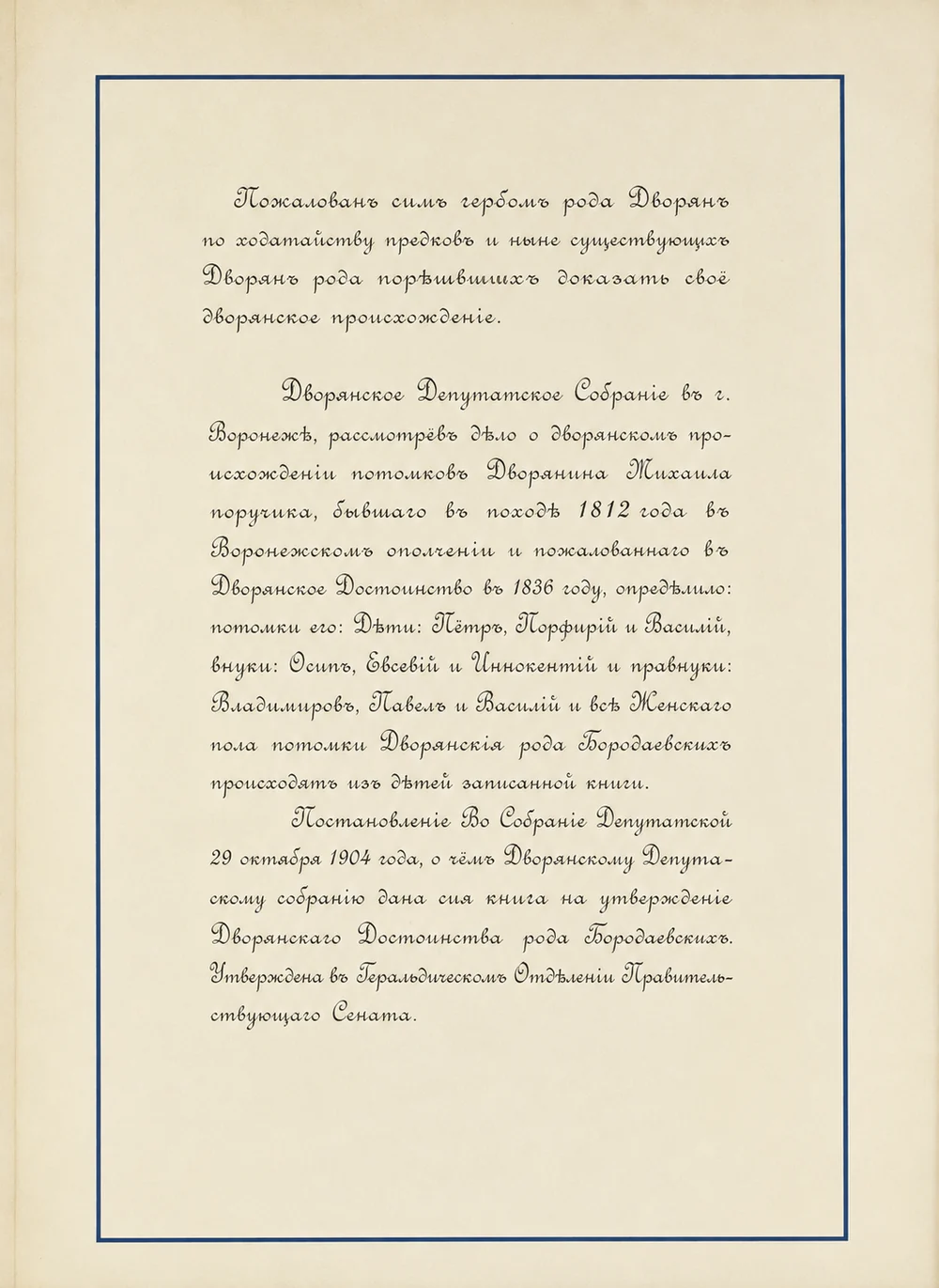
She was born in Saigon on 21 August 1926, to a Russian father from a family of high nobility stripped of everything by the revolution. Nothing in that childhood pointed towards the quays of Royan.
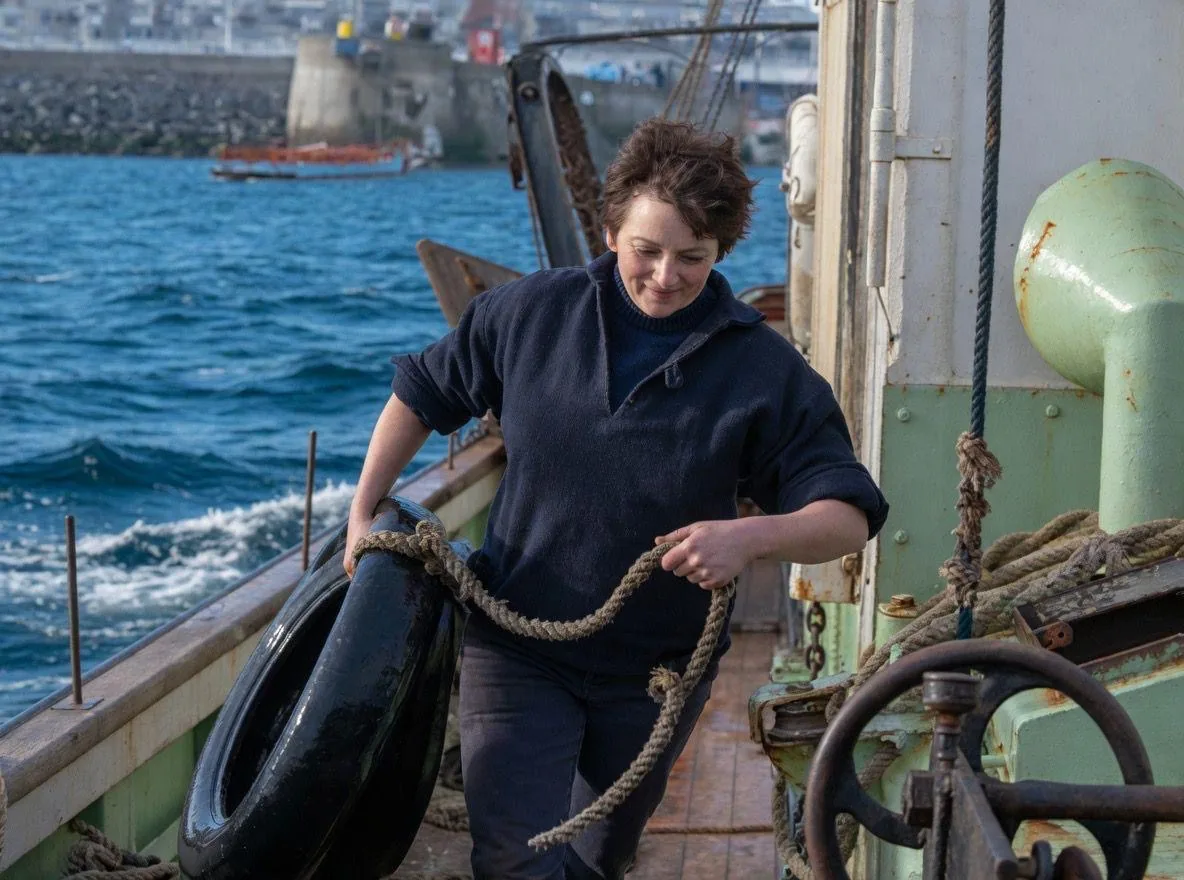
She arrived there with five children and no work. The harbour lay below her windows: the muddy water at low tide, the oyster gatherers bent double, hands cut open by the shells, the trawlers coming in for the auction. She watched all this for months. Then, one April morning, sitting on a coil of rope, she stopped resisting and asked to be taken on board.
A skipper agreed to take her. The trade she discovered had nothing of the seafaring daydream: fourteen hours at sea, five hours to land the catch, do the shopping and see her children, five hours of sleep, and start again. She recounts her blunders without dressing them up — knots that slip, the warp guide broken at fifteen thousand francs, the misheard order that makes her the fool of the harbour. She also writes about her hands, swollen and cut by sorting the fish, which once ran lightly over a piano.
One morning her skipper could no longer take her aboard: the harbour officer had recalled the rule. Women could neither fish nor appear on a crew list. Continuing to take her out without declaring her would cost him a fine. No woman was legally registered at the time. She replied that she would be the first.
So she bought her own boat, the Voluntas Dei, built in 1954, and borrowed seven hundred thousand francs to fit her out. Though the owner of her vessel, she still had to hire a skipper: the law granted her no rights on board. After months of applications, the merchant navy finally issued her a fishing assistant's book — a document normally reserved for female staff on ocean liners, and bearing for the first time the words "for fishing". She was on the crew list at last, paid as a deckhand. But she already knew she would never take the helm alone, and would never be skipper of her own boat. The administrative fight that followed is told further down.
It was out of that life that La Houle was born, written at night between tides, published by Julliard in 1959 and awarded the Maryse Bastié Prize. An unsparing book, in which wonder — the swarming mass pouring out of the trawl, the shrimp rasping, a cuttlefish clucking like an angry hen — sits alongside exhaustion and humiliation.
What remained was the one thing no administrative text could grant her: a man who respected her. She hired Amédée Delouteau as skipper. He took her five children under his wing without ever asking a question, drew with her the trawler of her victory, and never left her again.
Retired to Meschers-sur-Gironde, they died there one after the other: Sonia in February 1999, Amédée on 29 July 2011, at the hospital in Royan. He had always kept his wife's ashes close to him. After his death, the ashes of both were scattered together off the Cordouan lighthouse, in the Gironde estuary, surrounded by their family and friends.
In 2006, Jean-Louis and Nadine Plantevigne recorded his testimony at La Cotinière. In it he tells, in his own words, of going to sea at twelve the day after his school certificate, the hurricane of February 1935, the airmen taken across to England on 23 June 1940, his mother shot on 2 October 1942, forced labour in Germany and his escape, the resistance networks, and then the night of 1 May 1945 and the liberation of Saint-Pierre-d'Oléron.
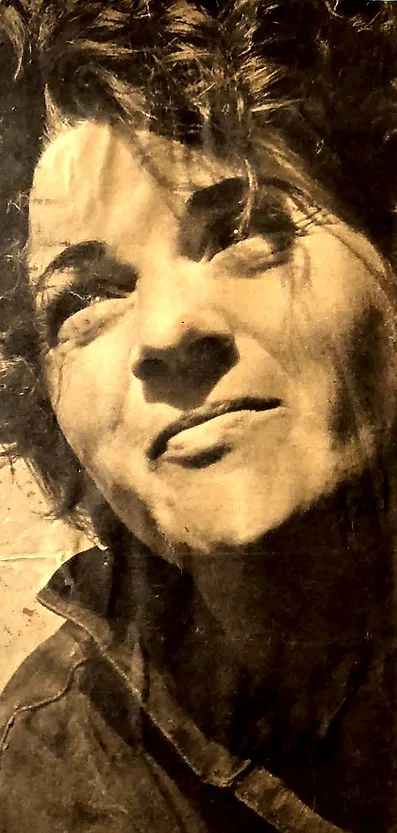
Portraits
A text inherited from the register of seafarers created by Colbert in the seventeenth century barred women from appearing on a crew list — the only document granting the right to a wage, to social protection and to a pension. Sonia went into commercial fishing all the same, with her own trawler, the Voluntas Dei, in a state of semi-legality.
France's first woman seafarer persevered, through many conflicts with the maritime authority. She entered the La Rochelle navigation school, an institution that had never had a woman on its benches, and graduated. That is how she came to be entered on the crew list as an engineer — without, for all that, being allowed to take the helm alone. Her administrative battle succeeded on 28 January 1963: the ban fell for every woman. She herself remained an engineer and the owner of her own boats.
One morning her skipper told her, awkwardly, that he could no longer take her aboard: the harbour officer had invoked a text inherited from Colbert forbidding women to be entered on crew lists.
Nicknamed thereafter "Fourpence of thread" or "Sonia the minnow", for her small build and apparent fragility, she refused to be beaten and decided to buy her own boat. A family friend agreed to lend her the money; she would repay it tide after tide. She found an old tub called the Voluntas Dei. But although she owned her vessel, merchant navy regulations refused her the seafarer's registration book because she was a woman. As the owner of her boat she had to hire a skipper in charge, and would be counted as a passenger on board.
The situation outraged her. She put up with it for a time, but began a permanent struggle with the administration, wringing out one exemption after another. After eight months of persistence, she obtained her professional book as a "fishing assistant, third class". She could now work and be paid as a deckhand, but had no right to take the helm alone.
In 1957, illness kept her in a hospital bed for six months. She took up her notes again, completed them, and so gave birth to a book: La Houle. She picked a publisher at random, Julliard. By return of post, a contract arrived. Not only was La Houle published, in 1959, but it won the Maryse Bastié Prize, awarded each year to a woman writer who has made her way in a dangerous trade and drawn her inspiration from it.
The book was a considerable success, with translations into several languages. She gave many interviews and was often invited to literary events, receptions and evenings alongside Minou Drouet and Françoise Sagan, the two other stars of the pen in the late 1950s. After the open hostility of the people of Royan, this recognition moved her, and the brilliant world of Parisian intellectuals held a certain fascination. Julliard signed her for five novels. She wrote La Fille du vent, in the direct line of La Houle, but the publisher asked her to spice it up with a love story. She refused outright and broke the contract. Farewell, then, to literary Paris and to novel writing: back to Royan.
She then enrolled at the La Rochelle navigation school to learn marine engineering. The old and respectable headmaster protested: if that woman entered his school, he would leave. Sonia was admitted after appealing to the ministry concerned — being famous helps — and a few weeks later the headmaster resigned.
At the end of 1961 she came out with an excellent ranking and a qualification: the certificate of fishing-vessel engineer, sixth class. It was the first such certificate ever obtained by a woman. A victory — but the law still forbade her the helm.
Her fight went on. It was then that, following an act of sabotage, the Voluntas Dei sank in Royan harbour. Undeterred, she took part in Pierre Bellemare's radio programme Vous êtes formidables ! on Europe n° 1 to raise the money for a new boat. It was named Rodolphe-Maryse. With it she had ample opportunity to deepen her mechanical knowledge, so frequent were its engine failures.
Once she put down the spanner, she carried on fighting for full equality of rights with men. She was no longer alone: the maritime registrar at La Rochelle supported her case, and she wrote to a great many members of parliament until André Lacaze — mayor of Cozes from 1947 to 1973 and deputy for the Charente-Maritime — decided to back her. He knocked on the right doors and knew how to be persuasive: on 28 January 1963 her victory finally took shape. A decision of the merchant navy administration released women from the ban inherited from Colbert and opened the maritime schools to them.
The term "registered seafarer" itself did not disappear until two years later: it was the law of 9 July 1965, abolishing the register of seafarers, that replaced it with "merchant navy seaman".
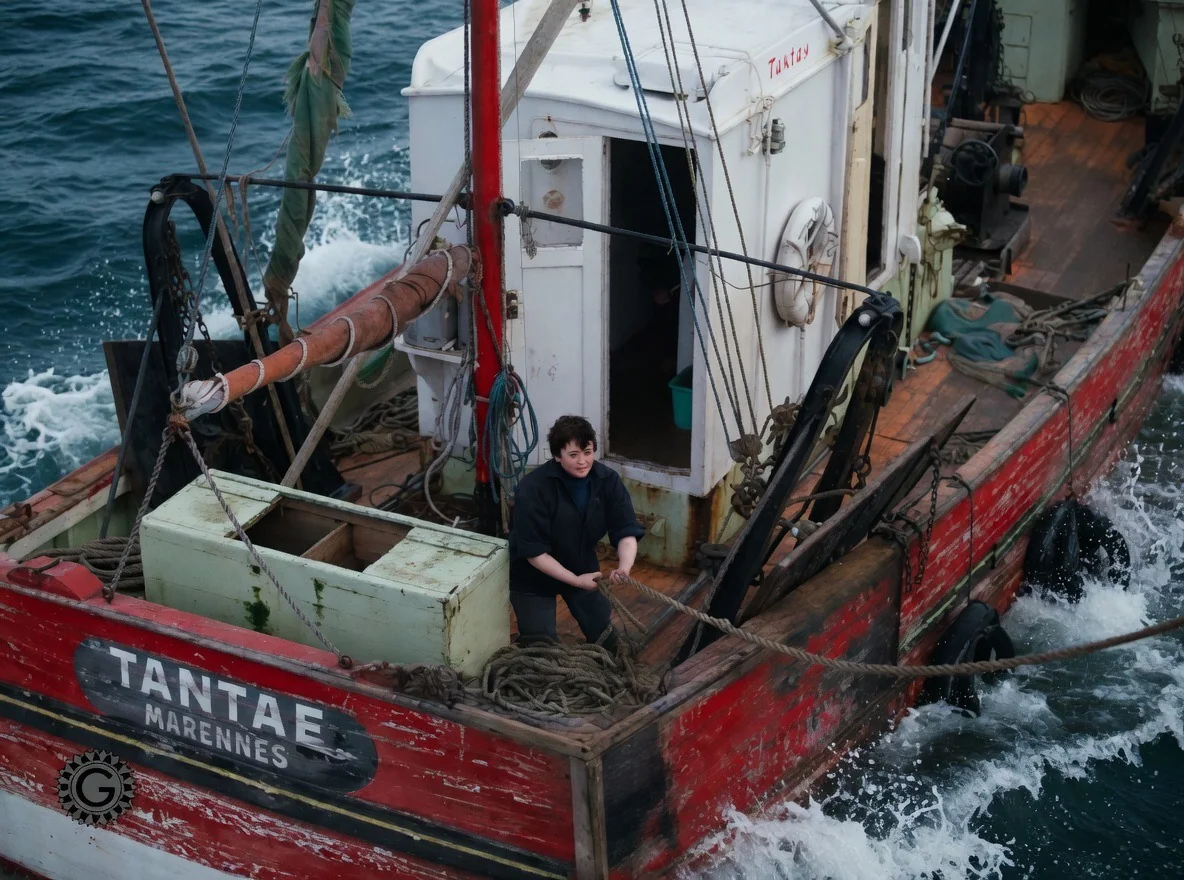
Equal to men, women obtained the right to a wage, with no discriminatory quota. To celebrate her victory, Sonia had a large red and white trawler built, the Tantaë, delivered in 1964 and designed by Amédée Delouteau — her skipper since April 1961 — whose innovative plans she drew up with him and a naval architect. It came out of the Chantiers L'Entente at Les Sables-d'Olonne, where it belonged to a series. She would go to court against Berliet, the engine maker, for defective workmanship. At last she could live her passion for the sea to the full.
Carried by her own momentum, she bought a fishery at Le Verdon and set up a marine engineering school for women. It did not last, the number of volunteers being limited.
She married Amédée Delouteau in 1972. The couple later divorced for purely administrative reasons, before remarrying in 1992. Her dealings with this strong-willed man had long been professional: she had hired him as skipper, and he fully intended to shoulder that responsibility. On a day of disagreement he had made clear to her that he meant to be sole master on board. Recognising that truth of the sea, she did not hold it against him. Quite the reverse: on a day in port at Port-Bloc, at Le Verdon-sur-Mer, she had shown him her gifts as a musician and a singer on the neglected piano of a harbour bar. How could he have resisted? From then on they never parted, until the death — in February 1999 — of the woman thereafter known as Sonia de Borodaewsky-Delouteau.
* Registered seafarer: a seafarer recorded with the maritime authority. The
register of classes created by Colbert from 1665 became the inscription maritime in
1795; it was abolished by the law of 9 July 1965, which replaced "registered seafarer" with
"merchant navy seaman". Before national service was abolished, a registered seafarer was called
up into the French Navy.
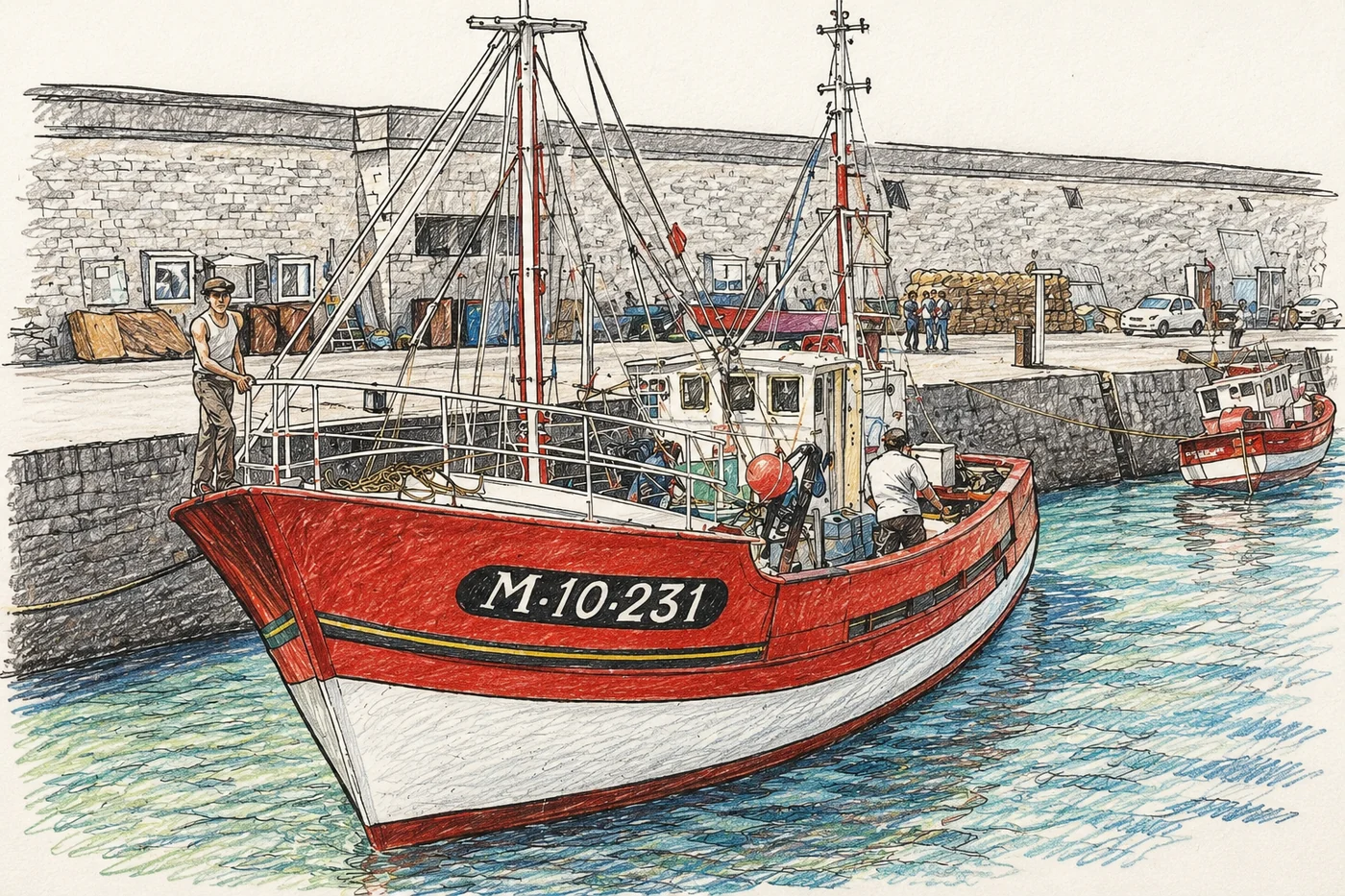
** Tantaë, named after the Latin phrase tantae molis erat romanam condere
gentem! ("So great a task it was to found the Roman nation!"): built in 1964 at Les
Sables-d'Olonne by the Chantiers L'Entente, registered M 10 231 in the maritime district of
Marennes. Length overall 14.39 m, beam 4.70 m, gross tonnage 23.54 tons, Berliet diesel engine
of 140 horsepower. Struck from the fishing register for destruction on 24 December 1991, after
twenty-seven years of service under three successive names.
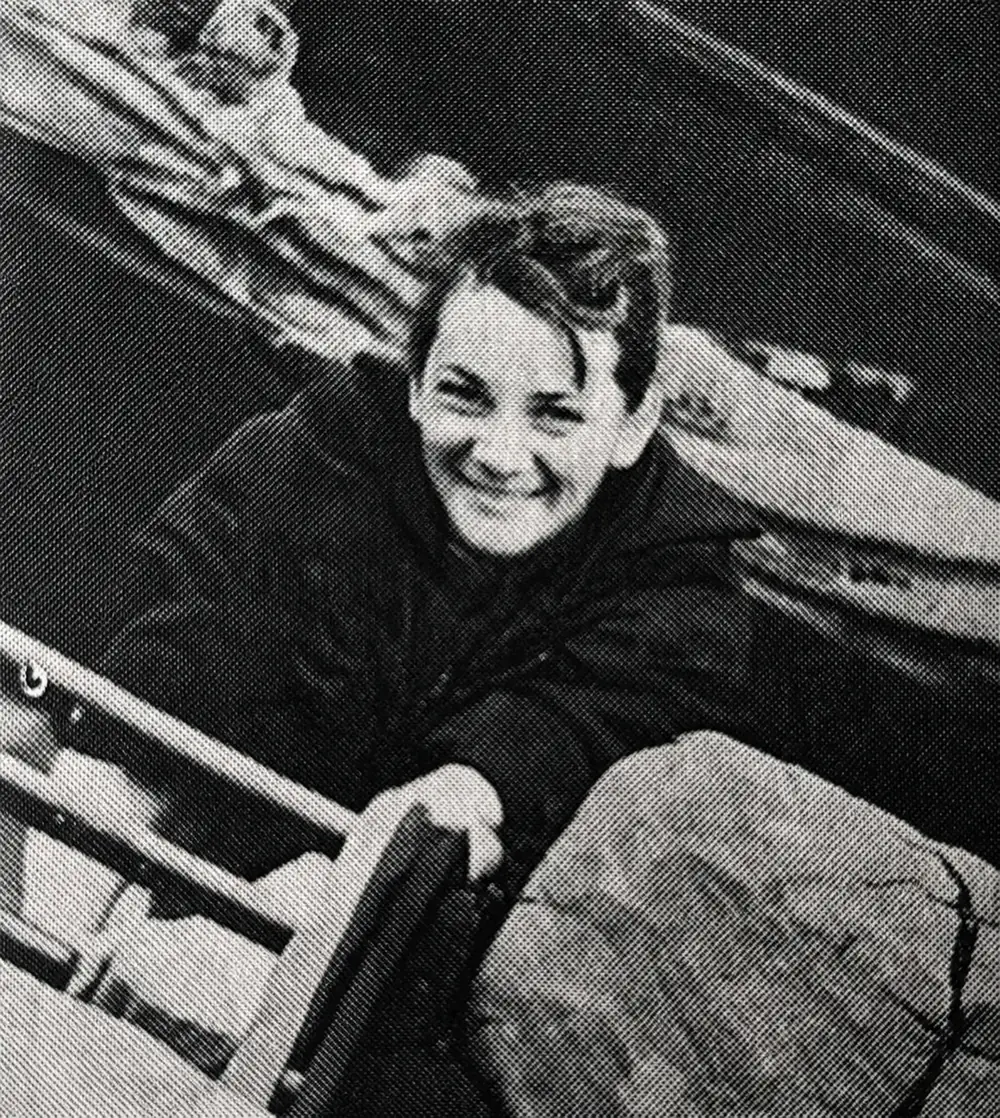
Album
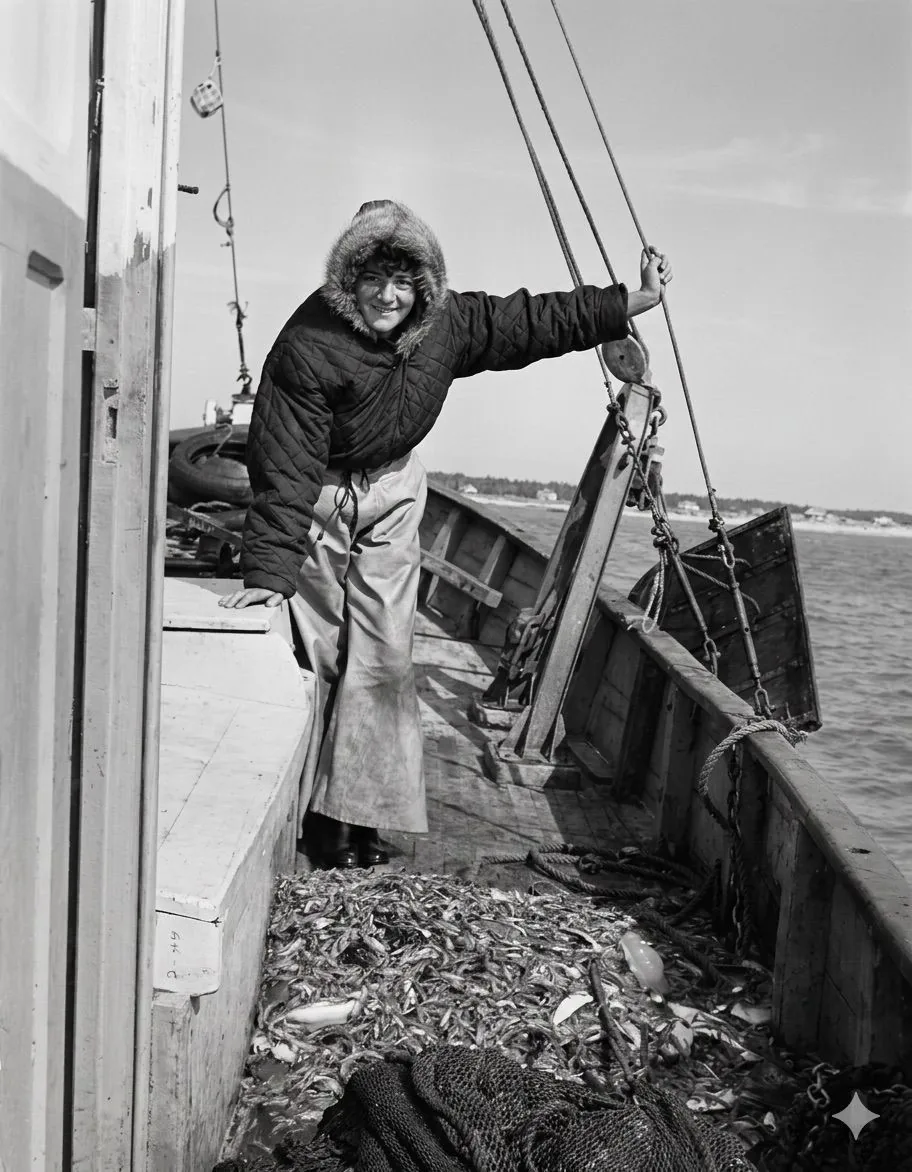
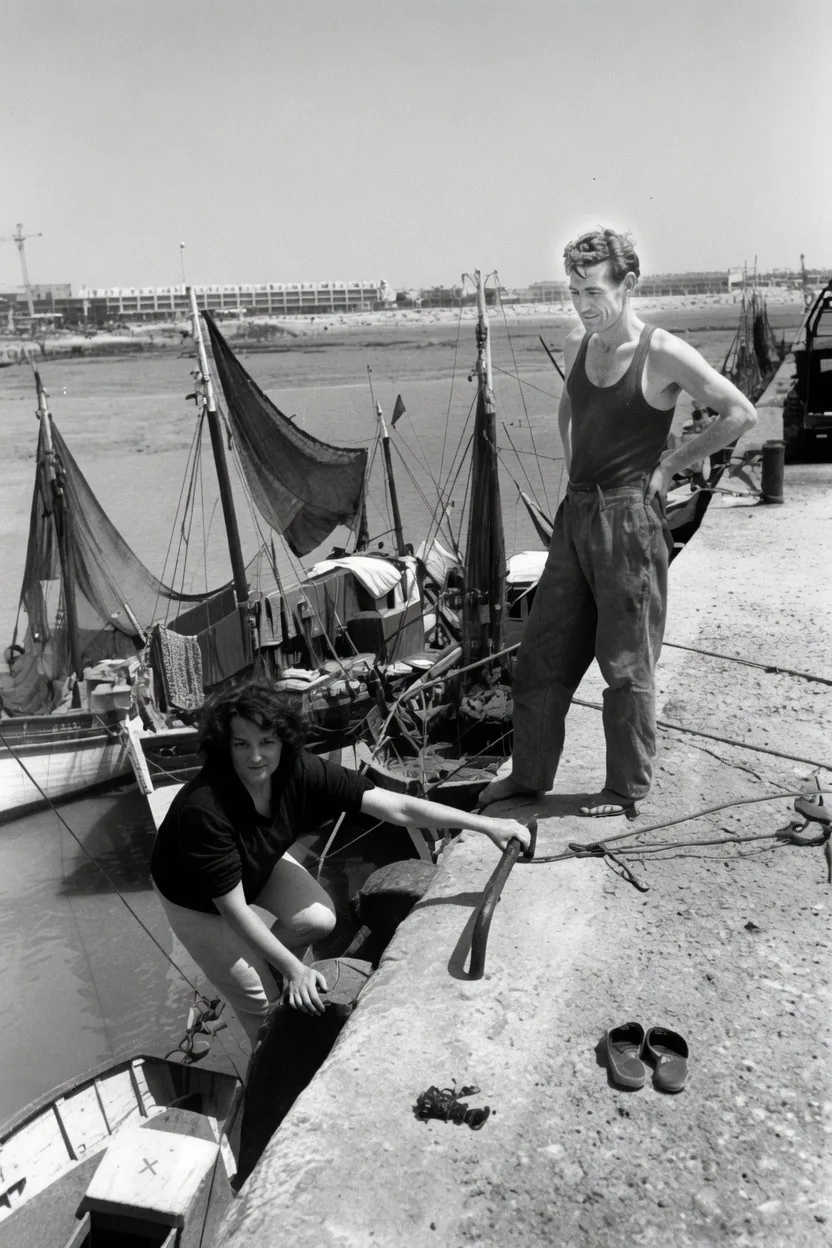
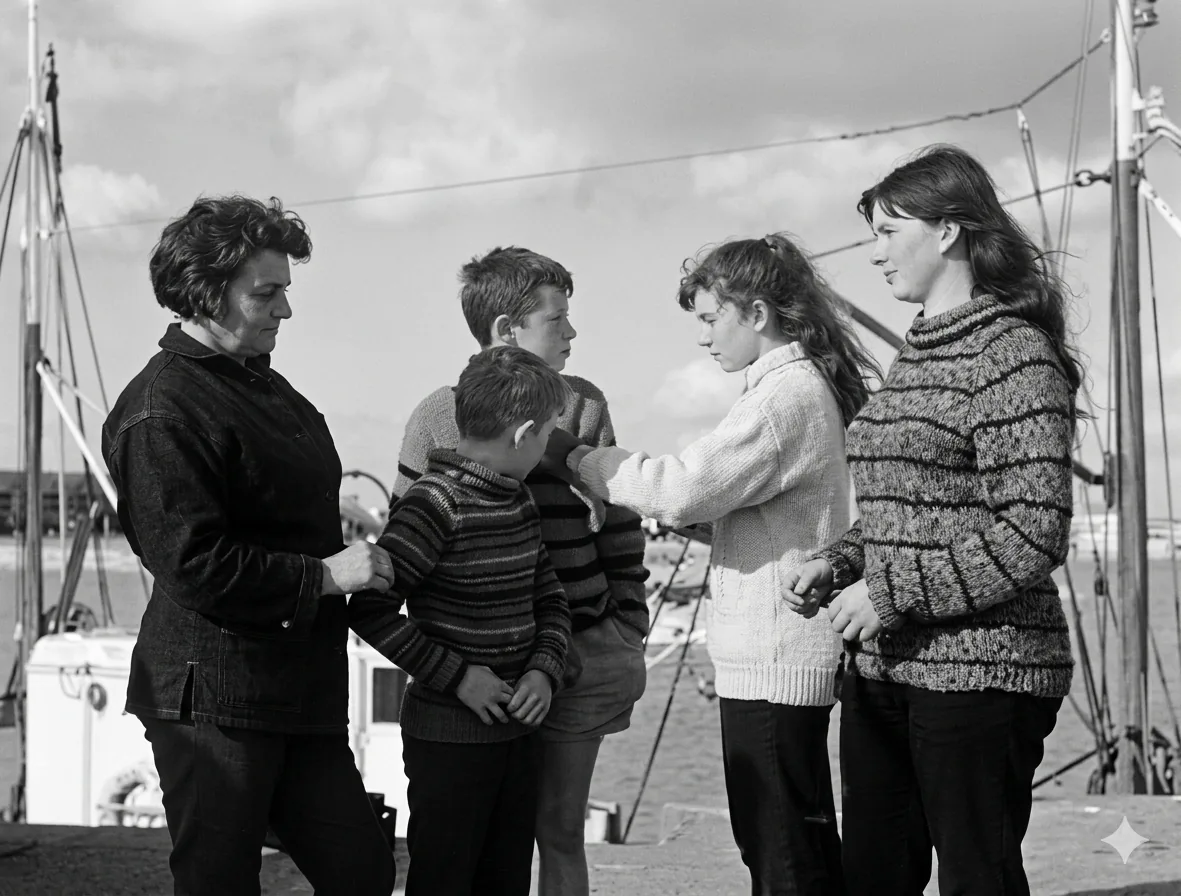
Family archives and period documents: the harbour at Royan, the three boats, the years of administrative struggle and of literary recognition.
Seashells
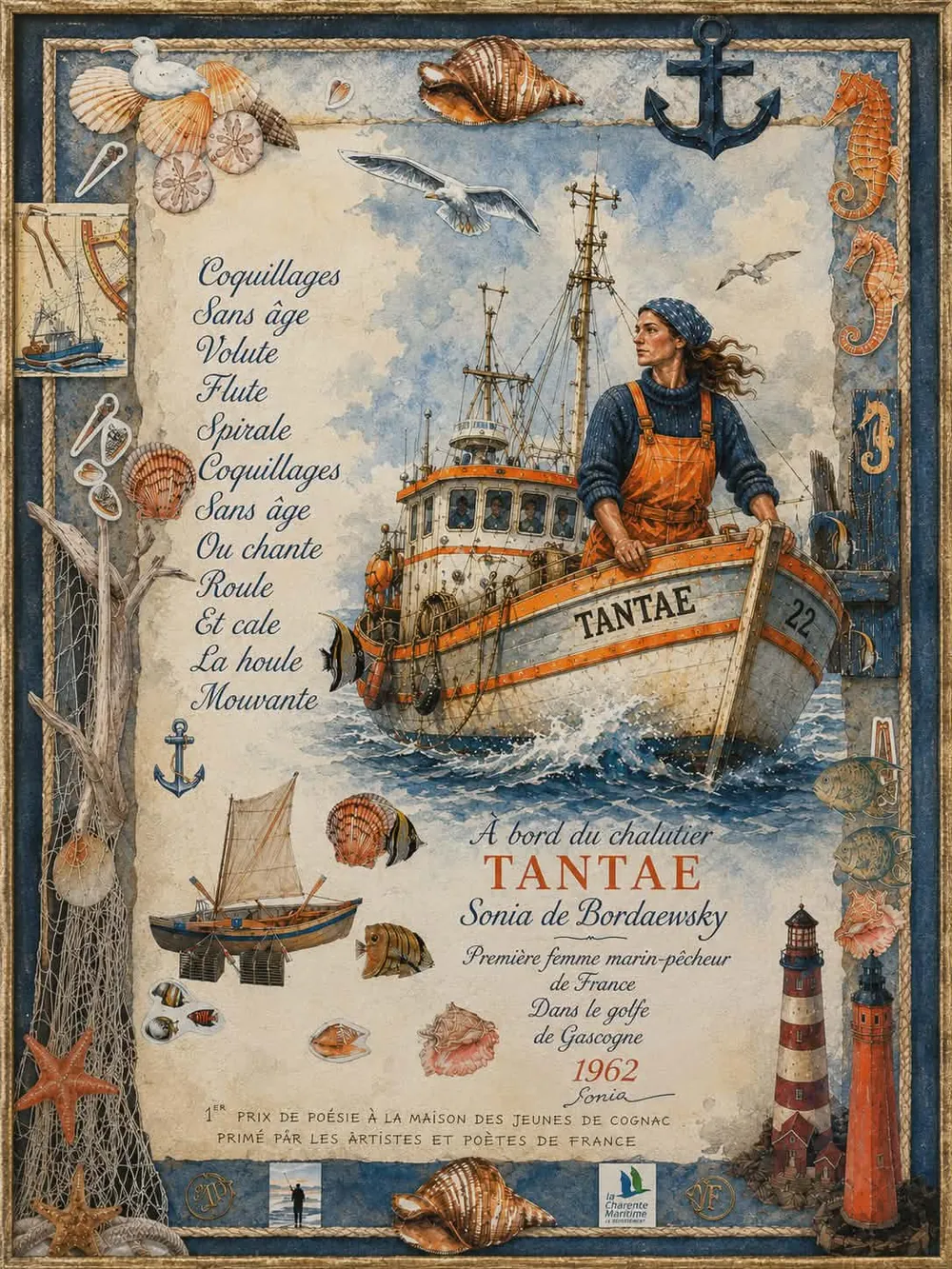
Ageless
Volute
Flute
Spiral
Seashells
Ageless
Where it sings
Rolls
And settles
The swell
Moving
Written on board the trawler Tantaë, in the Bay of Biscay, in 1962. The poem won first prize for poetry at the Maison des jeunes in Cognac, awarded by the Artistes et Poètes de France.
Contemporary illustrated plate, made after the poem.
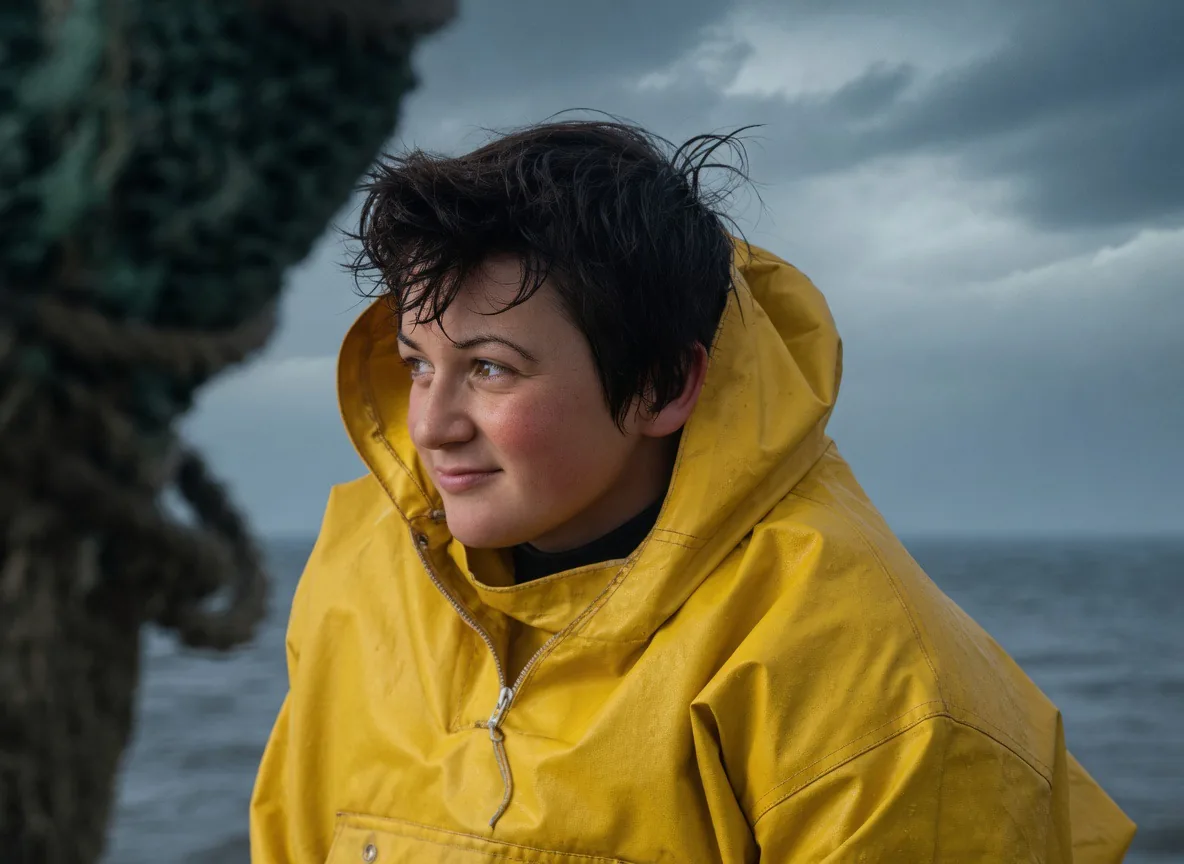
Contemporary images made in tribute to the Tantaë and to the woman who had it built.
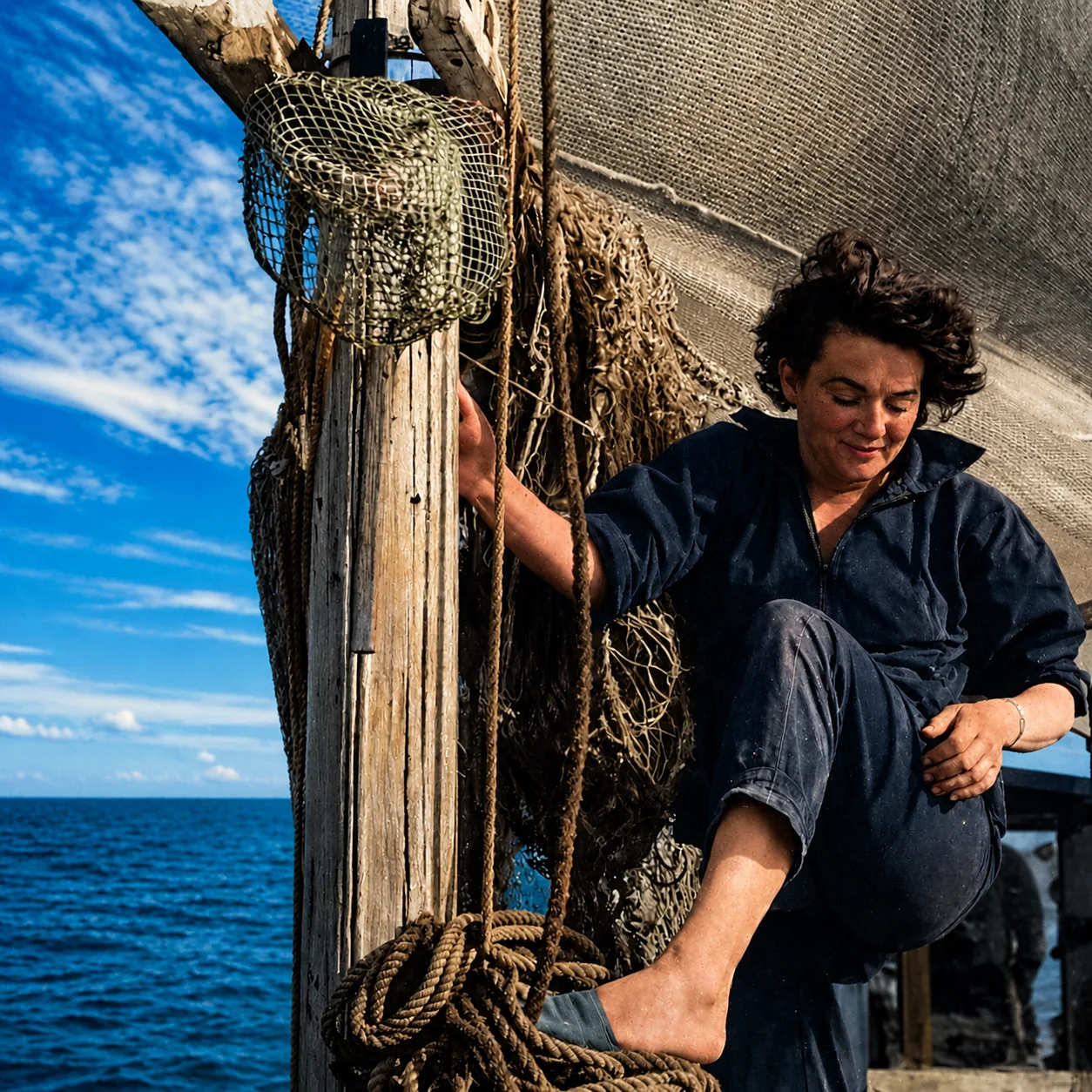
The decision of 28 January 1963 opened the fishing and merchant navy trades to women. Today they sail in fishing, in commerce and in the French Navy — on the terms Sonia de Borodaewsky wrung from the administration.
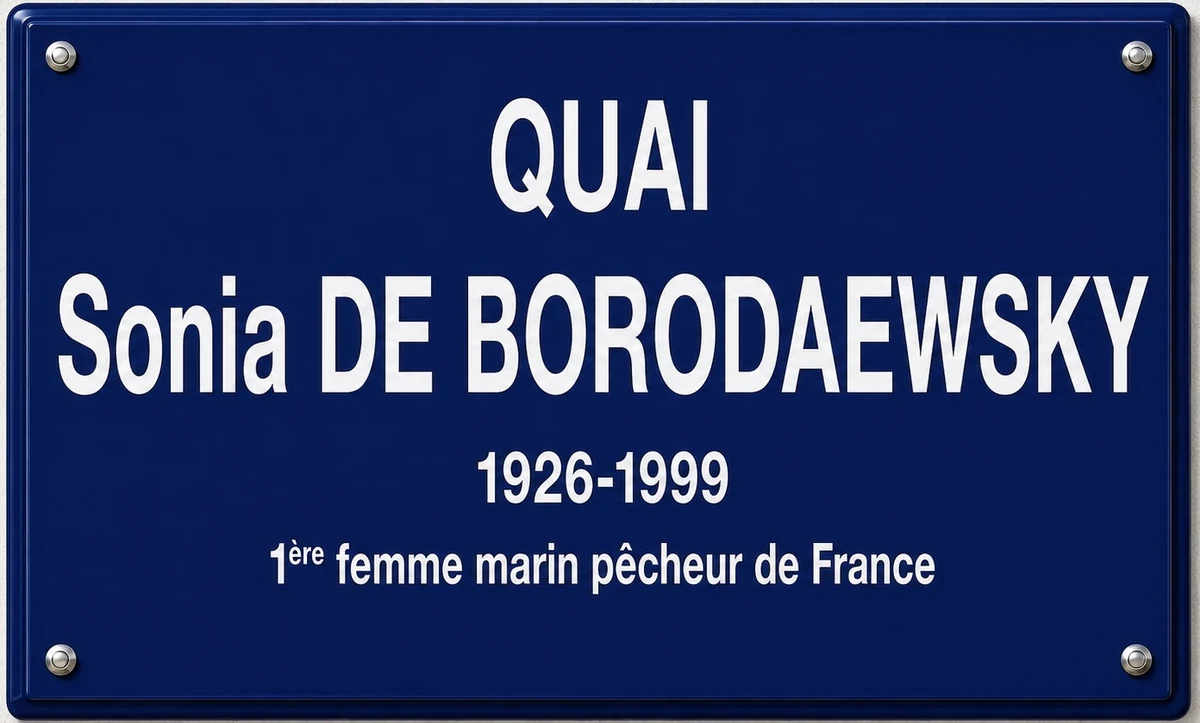
On 25 October 2025, Royan paid her the tribute she had been owed: a commemorative plaque was unveiled on the harbour, and a quay now bears her name — quai Sonia de Borodaewsky, facing the estuary she sailed so often.
Sounding line
Born in Saigon, French Indochina Russian father, from a noble family ruined by the revolution
Six months in hospital — she takes up her notes and writes The manuscript will become La Houle
La Houle is published by Julliard Maryse Bastié Prize · translated into English and Portuguese from 1961
Amédée Delouteau becomes her skipper A decisive meeting, professional and then personal
Certificate of fishing-vessel engineer, sixth class The first such certificate obtained by a woman — the breach through which she enters the crew list
The ban inherited from Colbert falls for all women The crew list and the maritime schools are opened to them
The Tantaë leaves the Chantiers L'Entente at Les Sables-d'Olonne Red and white trawler, 14.39 m, registered M 10 231 in the district of Marennes
The register of seafarers is abolished "Registered seafarer" becomes "merchant navy seaman"
Marriage to Amédée Delouteau Later divorce, for administrative reasons
The Tantaë is struck from the fishing register Twenty-seven years of service, three names, four maritime districts
Second marriage to Amédée Delouteau
She dies at Meschers-sur-Gironde
Death of Amédée — the ashes are scattered together Off the Cordouan lighthouse, Gironde estuary
Royan pays tribute to her A commemorative plaque is unveiled on the harbour, and a quay now bears her name: quai Sonia de Borodaewsky
La Houle is republished in an enlarged edition Reissued by the heirs of Sonia de Borodaewsky in French, English and Portuguese, with a preface and a previously unpublished photographic section — sixty-seven years after Julliard
Centenary of her birth A biography by Catherine Goulletquer is published by BoD
Reports
Alongside her life at sea, Sonia de Borodaewsky wrote novels, essays and poems, shaped by her Catholic faith and her love of the sea.
La Houle, the autobiographical account of her beginnings at sea, would be translated into several languages and awarded the Maryse Bastié Prize.
INA · 27 April 1966
Report from the eight o'clock television news, filmed in the harbour at Royan.
Watch on ina.frVideo · 7 February 1967
Report broadcast alongside the sailor Jacques-Yves Le Toumelin.
Watch the videoReading Sonia
"I have always loved the sea." So begins La Houle. For a long time Sonia de Borodaewsky did not dare admit it to herself. Then, one April morning, sitting on a coil of rope watching the harbour at Royan, she gave in.
That day she was thirty years old with five children. She went to sea.
What follows is no seafaring daydream. It is the harbour at low tide, the muddy water at the foot of the quays, the oyster gatherers bent double, hands cut open by the shells. It is a split trawl pouring a swarming mass onto the deck: the shrimp rasping, the crabs crackling, a cuttlefish clucking like an angry hen. It is fourteen hours at sea, five hours to land the catch, do the shopping and see her children, five hours of sleep. And begin again the next day.
Sonia writes what she sees, without embellishment. The octopus she puts back in the water rather than kill, and the deckhand who mocks her pity. Confectioner's knots instead of a reef knot. The warp guide broken, fifteen thousand francs. The humiliation of learning a trade in front of men who watch you learn.
The book won her the Maryse Bastié Prize in 1959 and opened the Paris salons to her. She went home to Royan. What she wanted was not fame: it was to be on the crew list like the men, with the wage, the social protection and the pension. She obtained it in the end — and obtained it for every woman who would come after her.
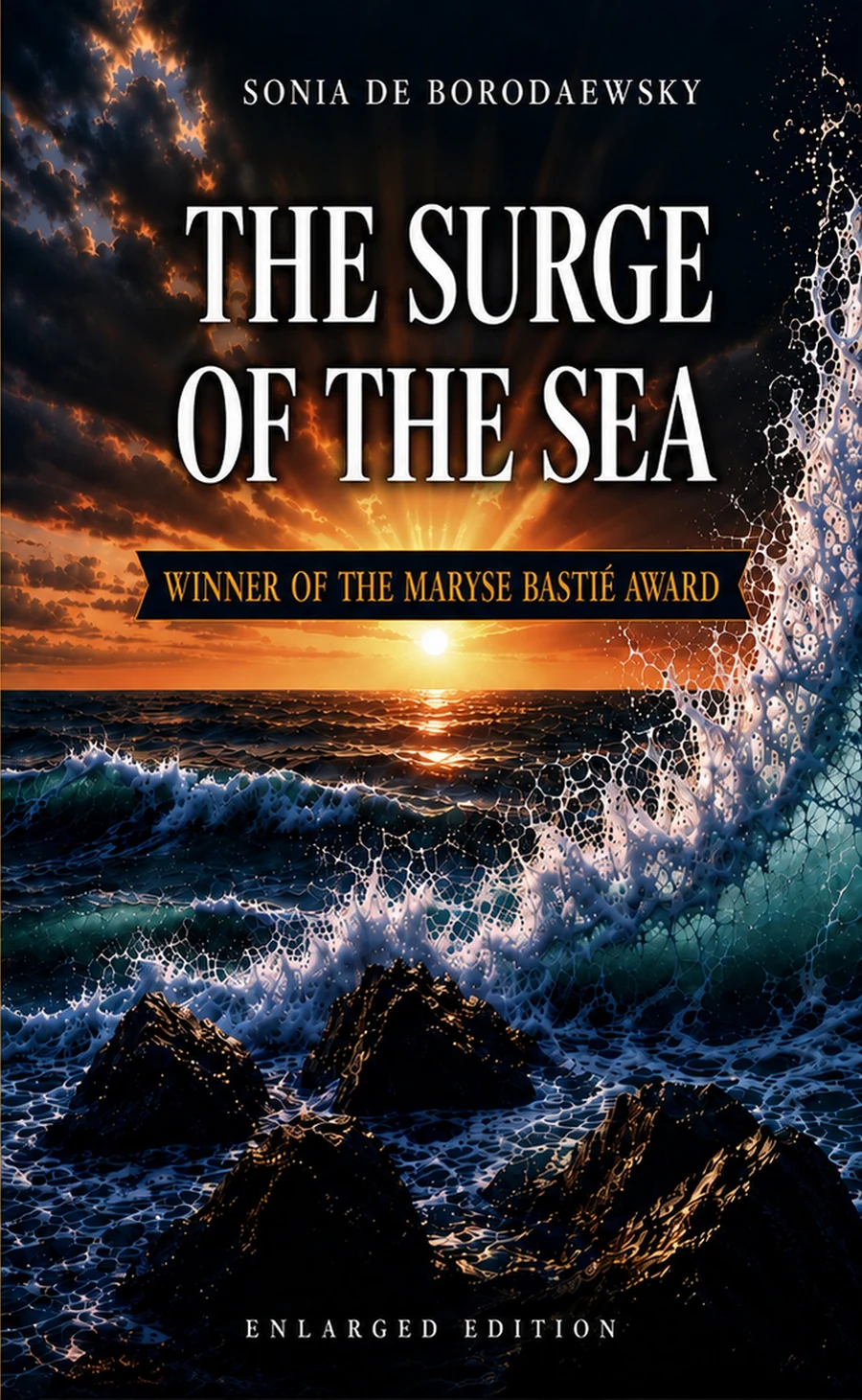
The English version of the account, available in paperback and in digital form.
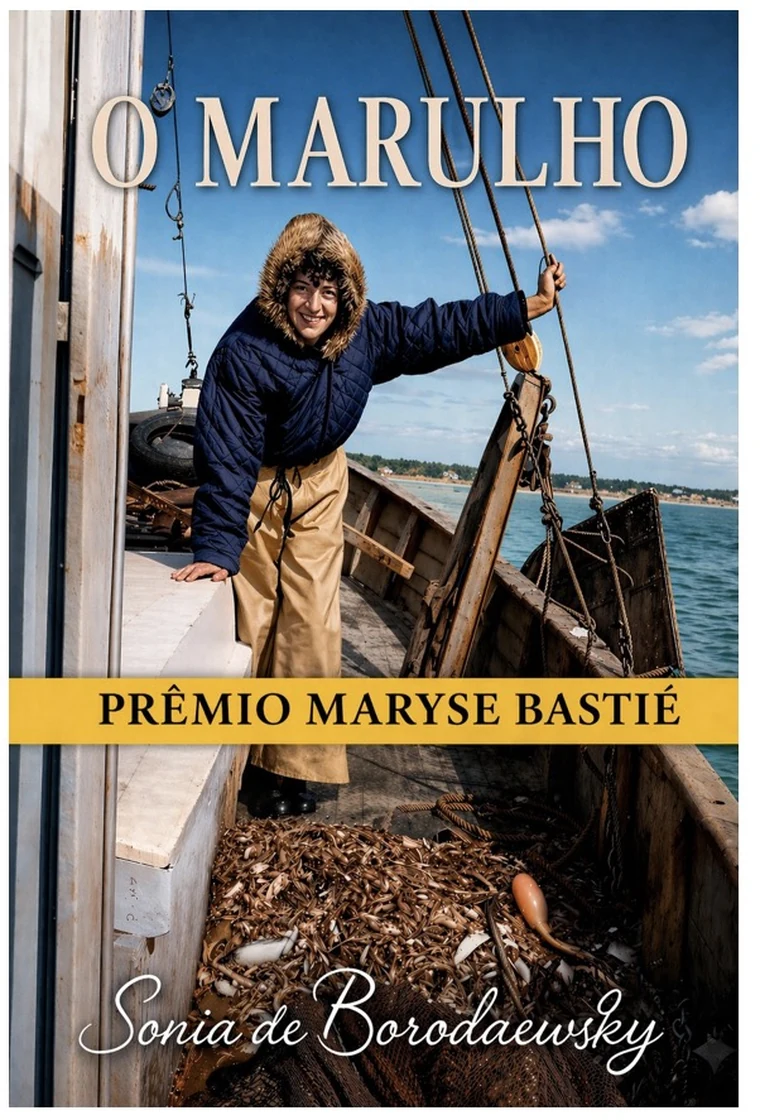
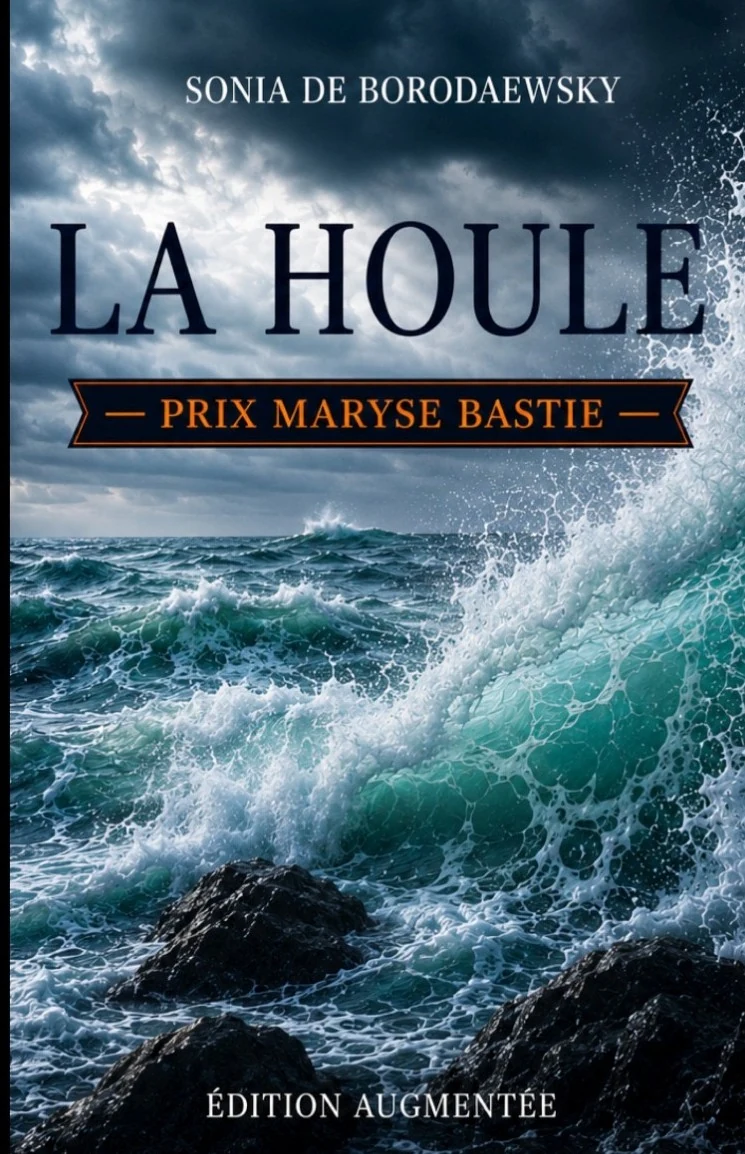
The original French text: her beginnings at sea and her trial of strength with the administration. Available in paperback and in digital form.
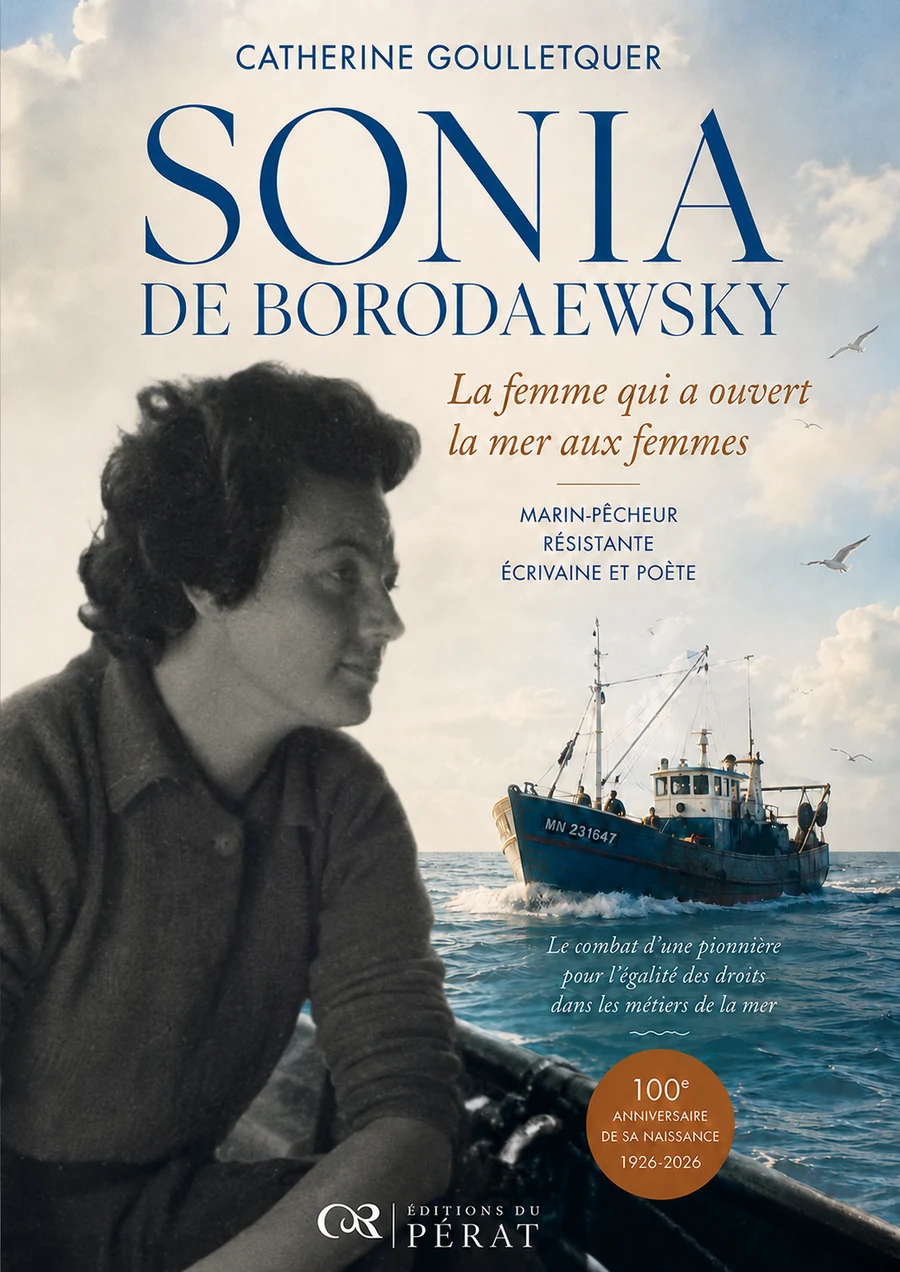
"The woman who opened the sea to women." A biography published for the centenary of her birth, from Saigon to Meschers-sur-Gironde.
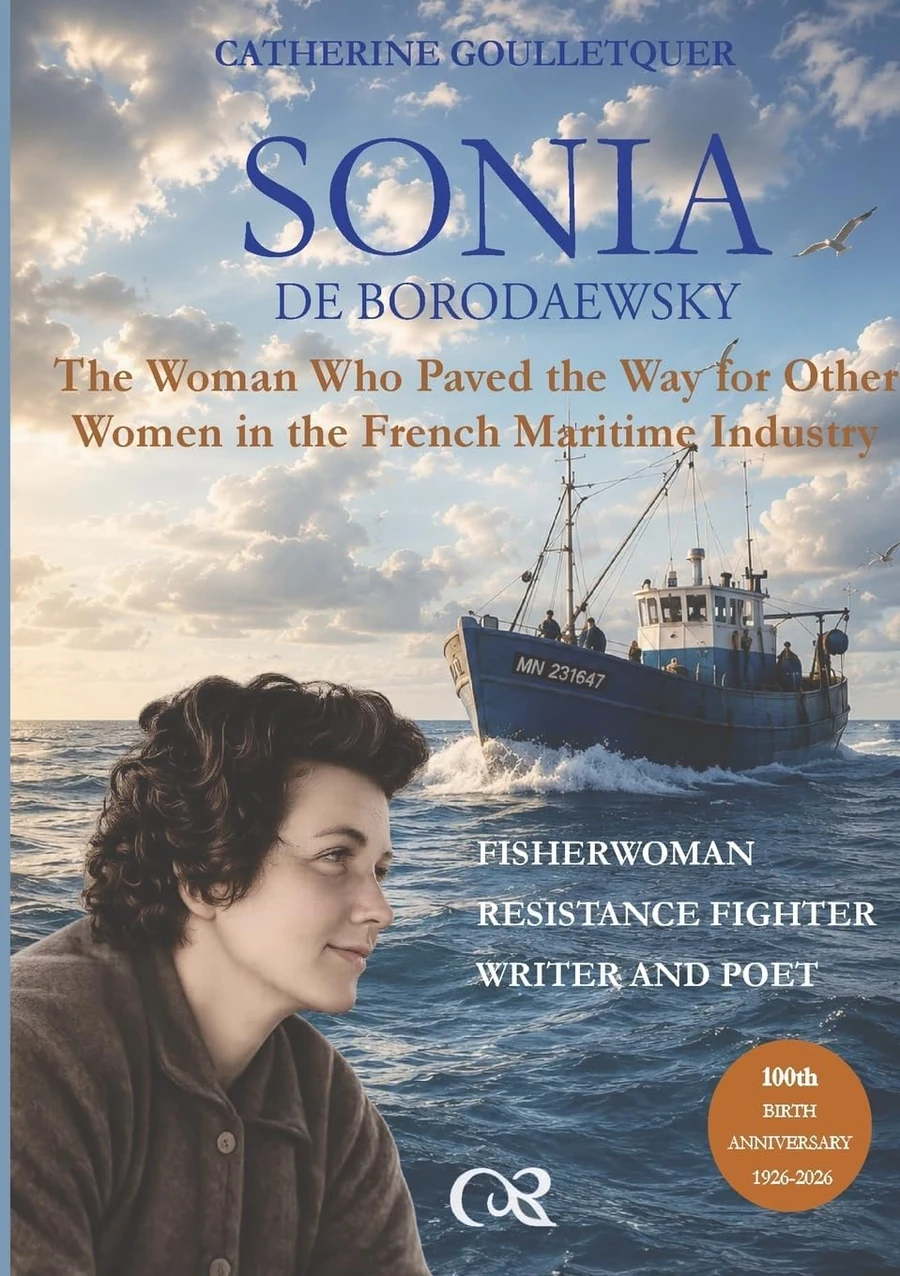
"The Woman Who Paved the Way for Other Women in the French Maritime Industry." Fisherwoman, resistance fighter, writer and poet — the centenary biography, in English.
The book can be ordered directly from the rights holder, in paperback, at an exclusive price — or through your bookshop.
Booksellers: contact webmaster-saisie@hachette-livre.fr or order through EDI, Dilicom or the hachette-diffusion.fr portal
Press & links
Sud Ouest · Royan
An account of the administrative fight that opened the sea to women. In French.
Read the articleSud Ouest · Royan
A gathering around the work and the memory of Sonia de Borodaewsky. In French.
Read the articleMaud Fontenoy
The chapter devoted to Sonia, freely available as a PDF. In French.
Open the PDFEncyclopedia
Encyclopedic biography and associated sources. In French.
Read the entryMémoires de guerre
Biographical record of her life as a resistance member and a seafarer. In French.
Read the recordPêche Tonton
An article on the pioneer of professional fishing. In French.
Read the articlePays Royannais magazine · no. 2, 2015
The full magazine on Calaméo. In French.
BrowseHeraldry · Gerbovnik
The registered arms of the noble Borodaevsky family.
View the arms
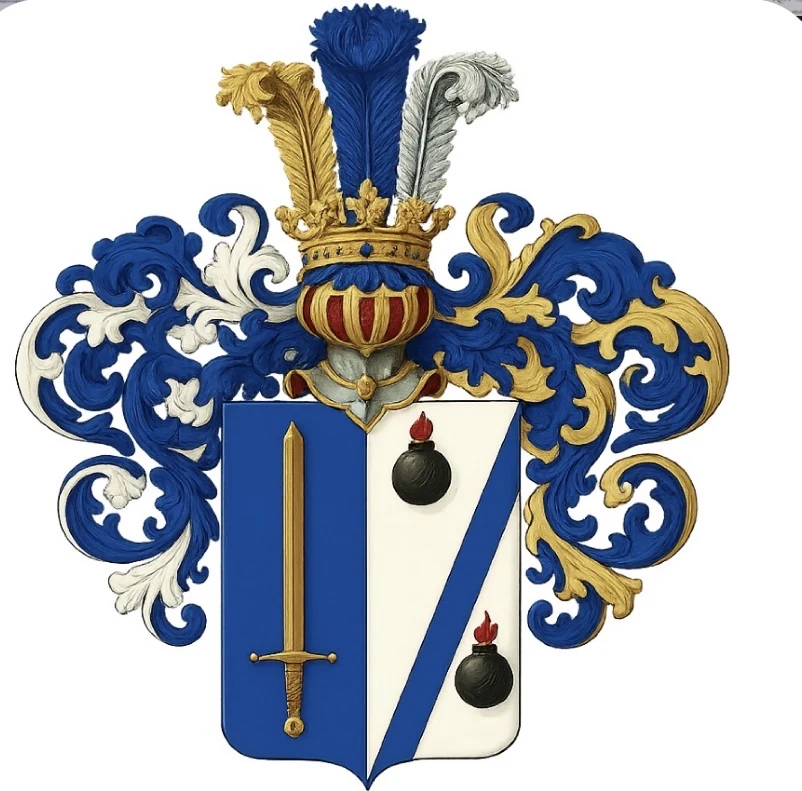
Two plates from the armorial of the nobility of the province of Voronezh, from which Sonia de Borodaewsky descended through her father.
Contact
For any enquiry concerning rights, archives, a new edition, a translation or a direct order of the books.